
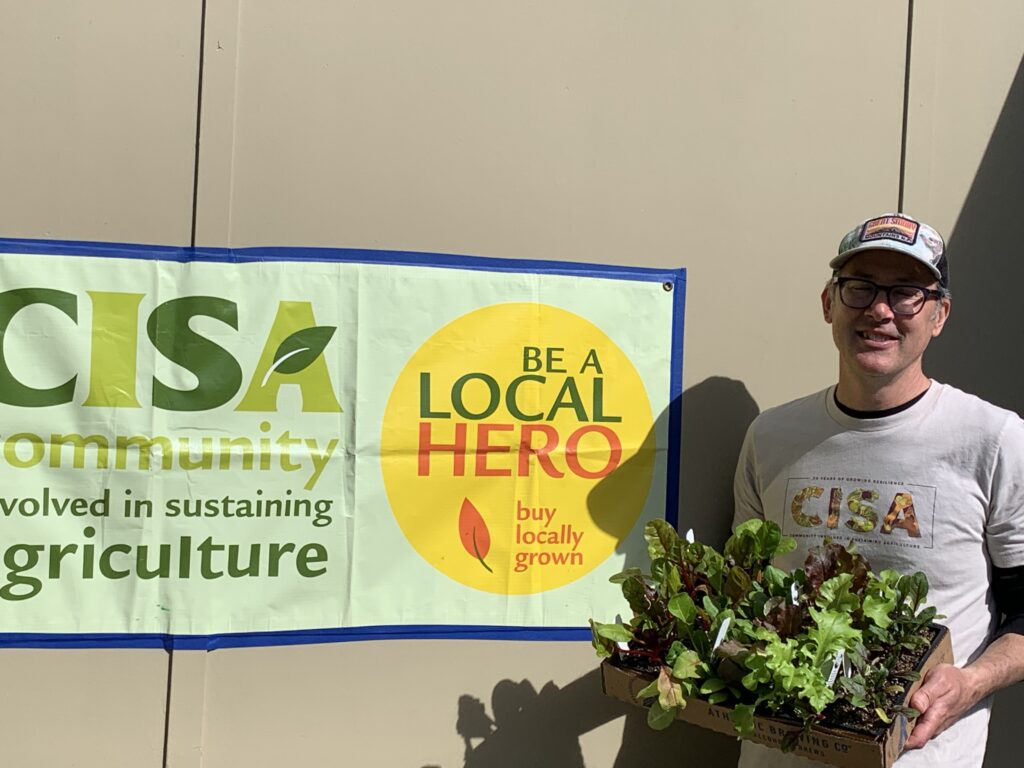
Officially started in 1993, CISA (Community Involved in Sustaining Agriculture) is an organization dedicated to helping people who want to make a living off the land. They offer their members a wide range of assistance, including exposure through coordinated marketing campaigns and facilitating training in essential systems that farms and businesses need.
Most folks involved in farming don’t come into the career with a background in labor laws, employee management, or financial analysis. Through workshops, one-on-one expertise sharing, and connections to consultants ranging from financial analysts to graphic and web designers, CISA provides resources through connection. They even offer emergency zero-interest lending programs for climate-impacted farms. The goal is to help local farms remain sustainable behind the scenes by bringing farmers into contact with the resources they need.
Over thirty years ago, a group of volunteers, farmers, and folks from local colleges were asking each other: how do we keep our local farmers in agriculture? After identifying a wide range of issues that needed closer attention, those folks broke off into smaller “affinity groups” to generate solid answers to specific problems.
Some focused on land conservation, others on dairy (eventually becoming the Our Family Farms Co-op), while another group focused on marketing. That marketing group, dedicated to applying the benefits of mass marketing techniques to local agriculture, eventually grew into CISA.
The first period of growth was spent putting their arms around the idea of a membership and marketing program which could serve the needs of farms in our area. Fortunately the organization was the recipient of a sizable Integrated Food and Farming Systems grant offered by the W. K. Kellogg Foundation, which acted as crucial seed money for the first four years. During this time they focused on creating a sustainable regional food and farming system for farmers and others in the Valley.
By 1998 the organization was incorporated, and by 1999 the “Be a Local Hero – Buy Locally Grown” campaign had emerged, becoming one of the first large-scale efforts in the country to market local food directly to consumers.
As the organization grew, CISA found they could do even more to help people find local food. Increased resources meant they could expand their efforts, working to identify root problems and develop solutions to help farms survive in a changing economy and climate.
Funding for their work today comes from a variety of sources including federal grants, state agricultural programs, private foundations, and individual donations. This is the revenue that supports a network that has spent decades building relationships across the Connecticut River Valley and beyond.
Apart from marketing and operational support, another important facet of what the organization offers is the opportunity for connection. By nature an independent venture, local farming can feel isolating, especially for smaller farms or folks balancing agriculture with off-farm jobs and family life.
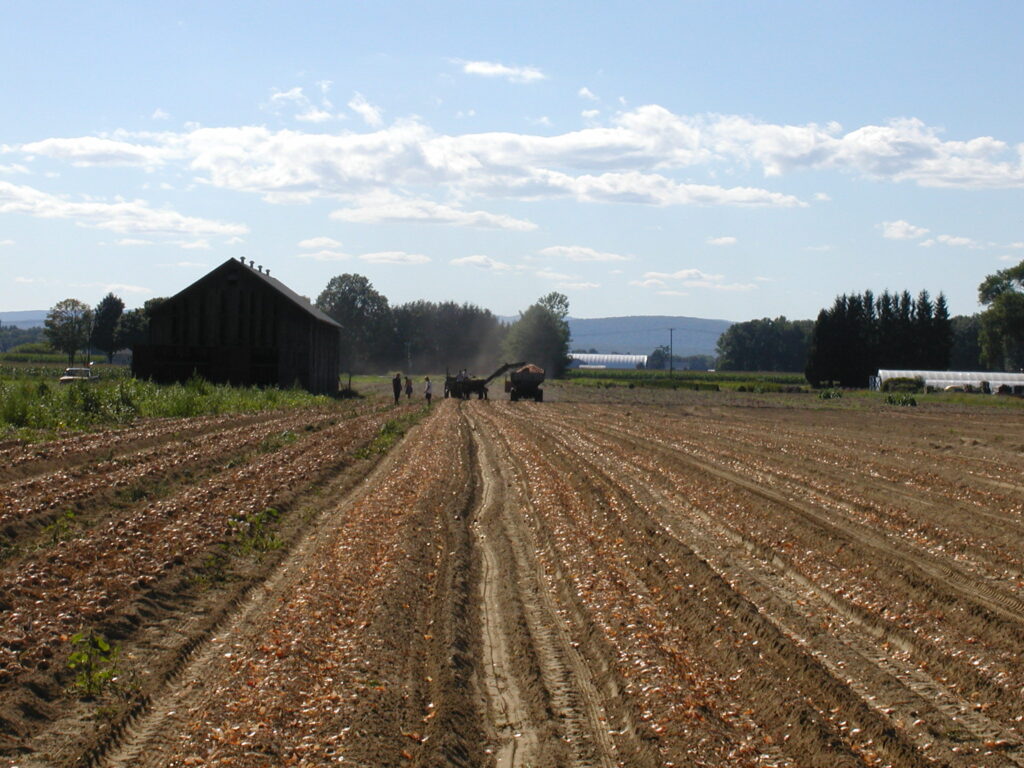
CISA workshops and events are designed not just around technical learning, but around bringing people together. Farmers share meals, compare notes, and build networks with one another. The organization acts as a hub tying together people who otherwise might feel like they are trying to make it work alone.
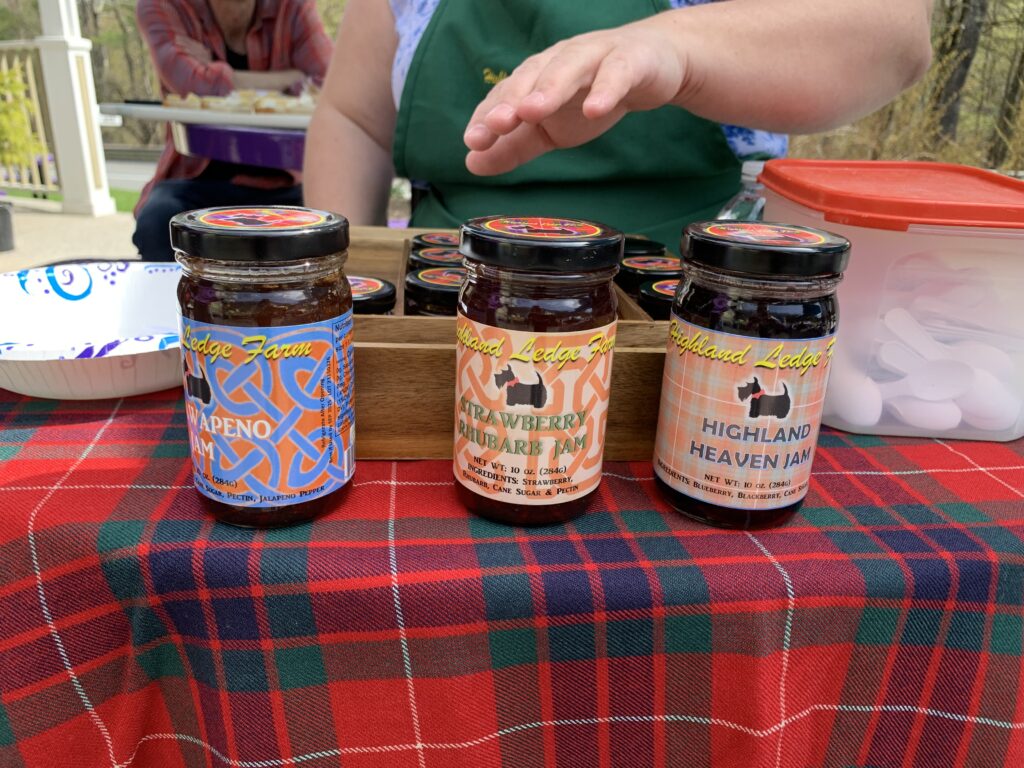
Farms in and around the Valley face a wide variety of pressures all at once. Farm owners as a group continue to trend older, and many family farms struggle to find younger generations willing or financially able to take over operations. Massachusetts farmland remains among the most expensive in the country, creating steep barriers for new farmers trying to get started. Some younger folks are still finding ways in through creative succession plans, employee ownership models, or rent-to-own agreements, but the financial hurdles remain substantial.
At the same time, the last several years have brought seemingly endless challenges. Since 2020 local farms have dealt with pandemic instability, rising input costs, inflation, supply chain disruptions, immigration issues affecting labor, and increasingly severe climate events.
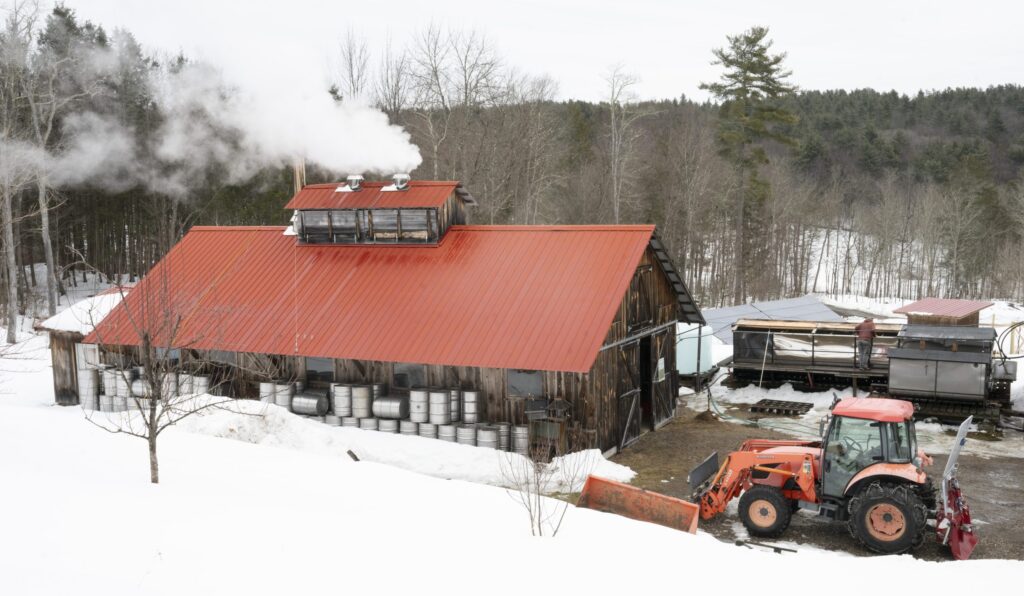
Record-setting floods, droughts, and frosts have all impacted farms across the region, particularly the millions of dollars in crop losses as a result of widespread flooding in 2023, along with the fruit losses that same year. Even funding sources and grant programs have fluctuated unpredictably, sometimes disappearing and reappearing with little warning.
Not everything in the last decade has pushed out farmers though. During the pandemic many farms pulled off incredible feats just to keep people fed safely, and local food sales saw a noticeable boost as consumers redirected their spending power away from larger, corporate concerns in favor of sources closer to home.
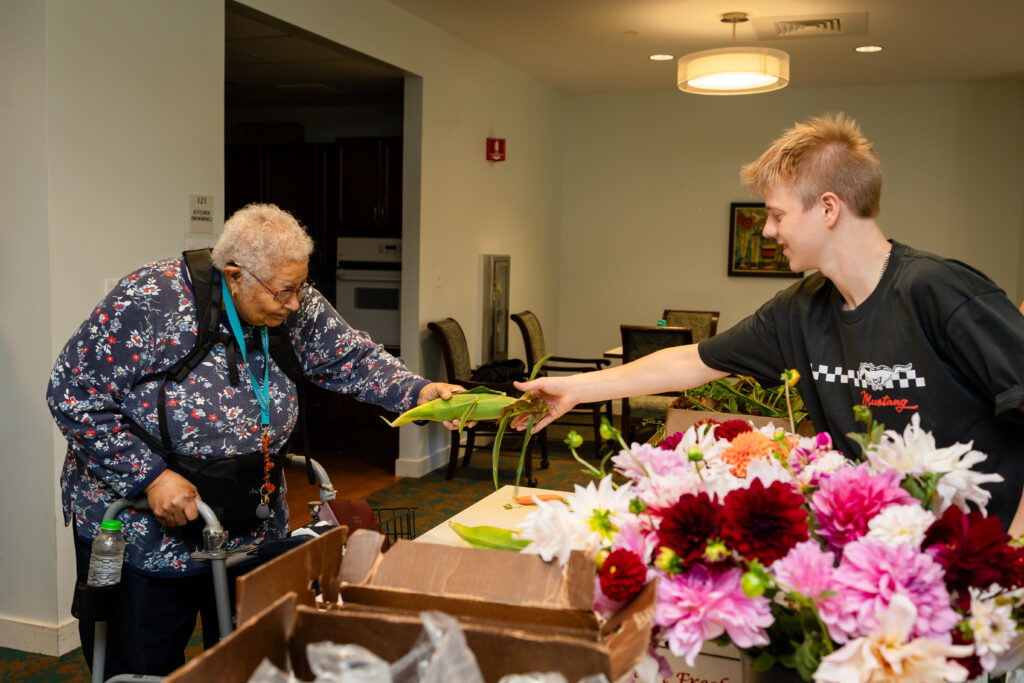
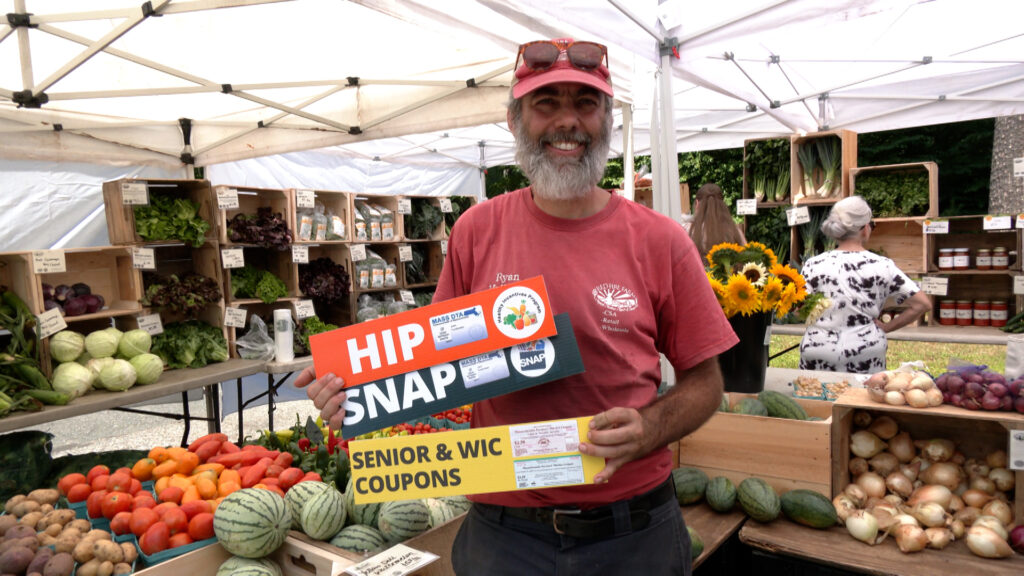
Additionally, since 2017 the Healthy Incentives Program (HIP) has become increasingly important to local agriculture. Allowing SNAP users to purchase fresh local produce directly from participating farms and markets means that HIP simultaneously supports local agriculture while helping low-income families access fresh food. HIP is a huge win for farms, and CISA helps farmers access that network.
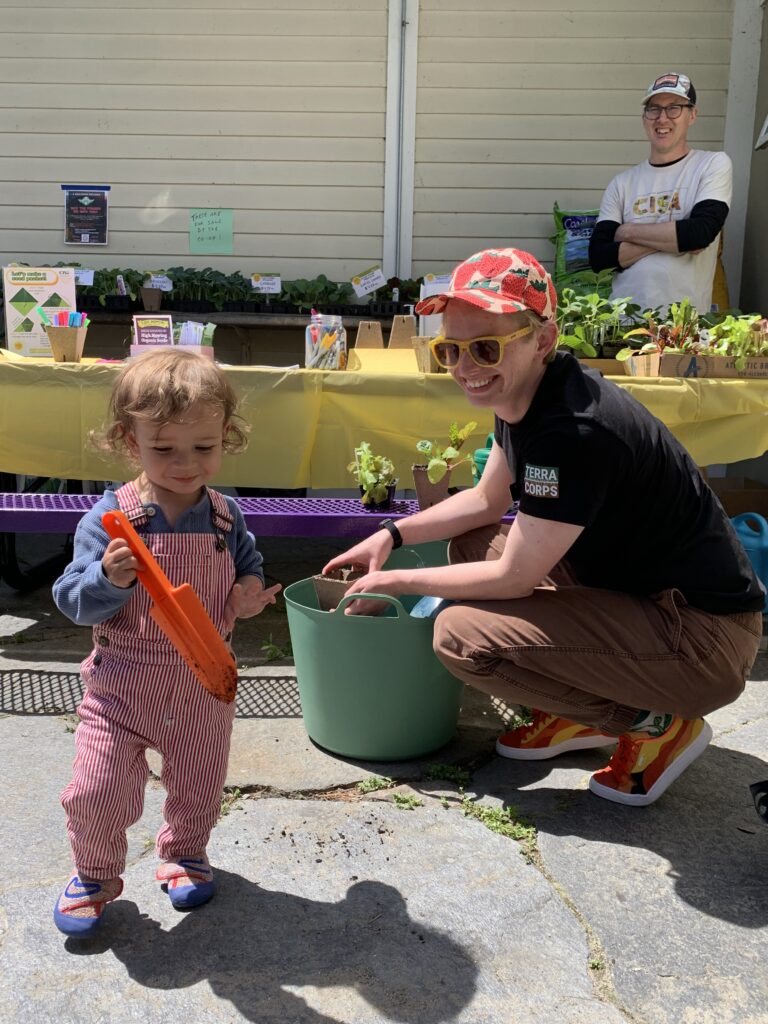
For the general public, one of CISA’s biggest offerings to consumers is information. Their extensive online Farm Guide connects consumers with farms, specialty food producers, restaurants, retailers, garden centers, and farmers markets throughout the region.
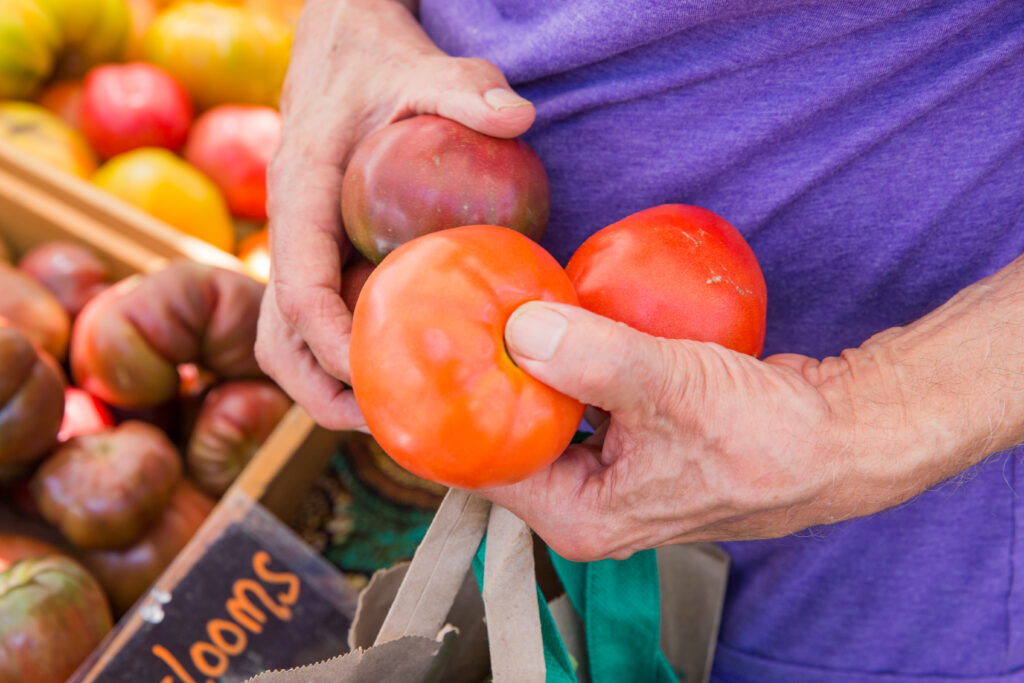
Whether someone is looking for pick-your-own strawberries, asparagus in season, or the nearest farmers market, CISA works constantly to keep information accurate and updated as farms, crops, and seasonal offerings shift from year to year.
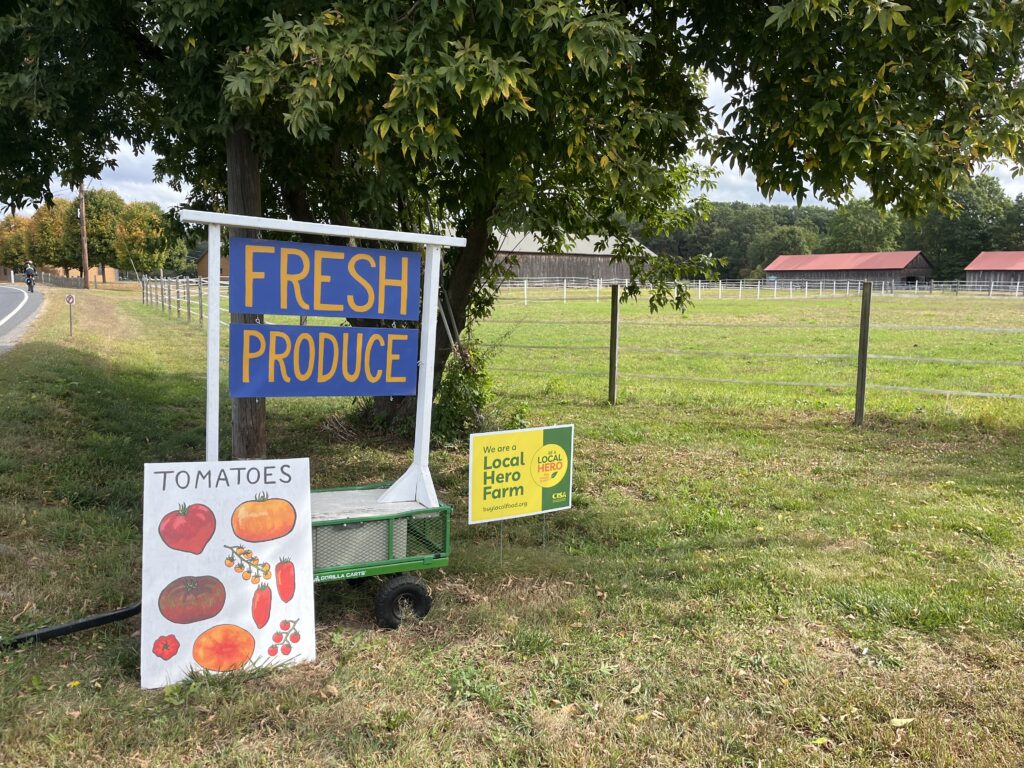
Their communication network stretches well beyond the guide itself. Through newsletters, social media, newspaper columns in the Daily Hampshire Gazette and Daily Recorder, and regular radio appearances on NEPM’s Fabulous 413 and WRSI, the organization helps tell the stories behind the food system. Not just where and when to buy blueberries, but who is growing them, what challenges they face, and why their work matters to the wider community.
CISA’s work also reaches into broader food infrastructure projects. Their efforts have included strengthening local poultry processing, supporting farm-to-school programs, and closing gaps between farms and markets. These all help reinforce the larger ecosystem surrounding local food.
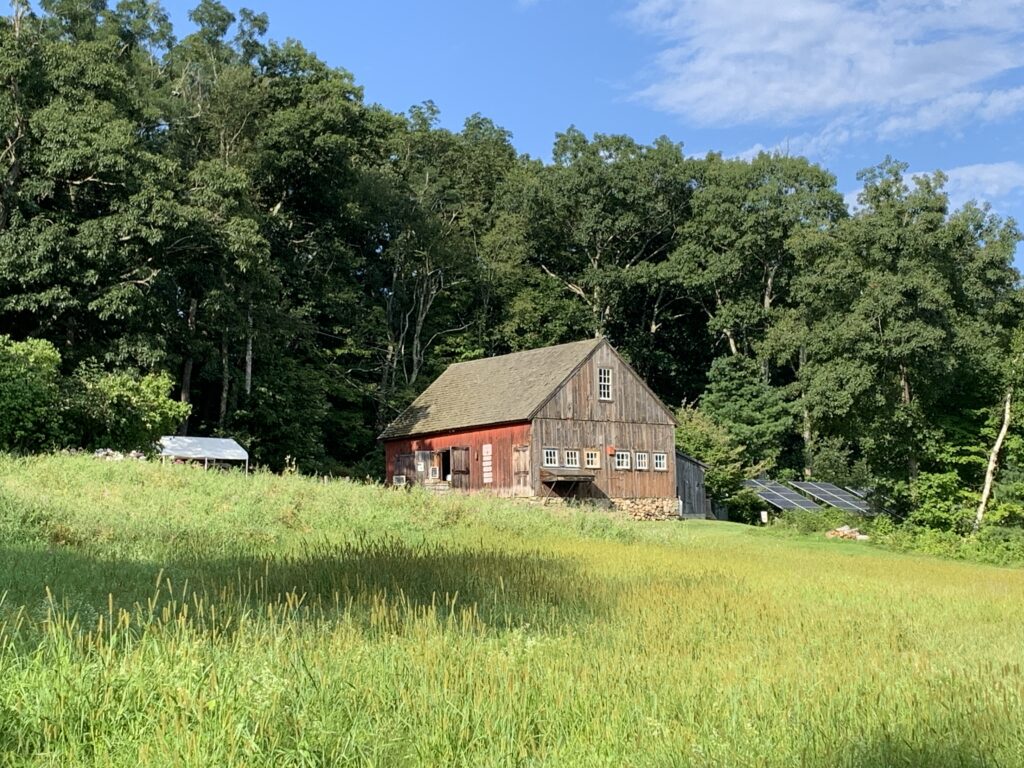
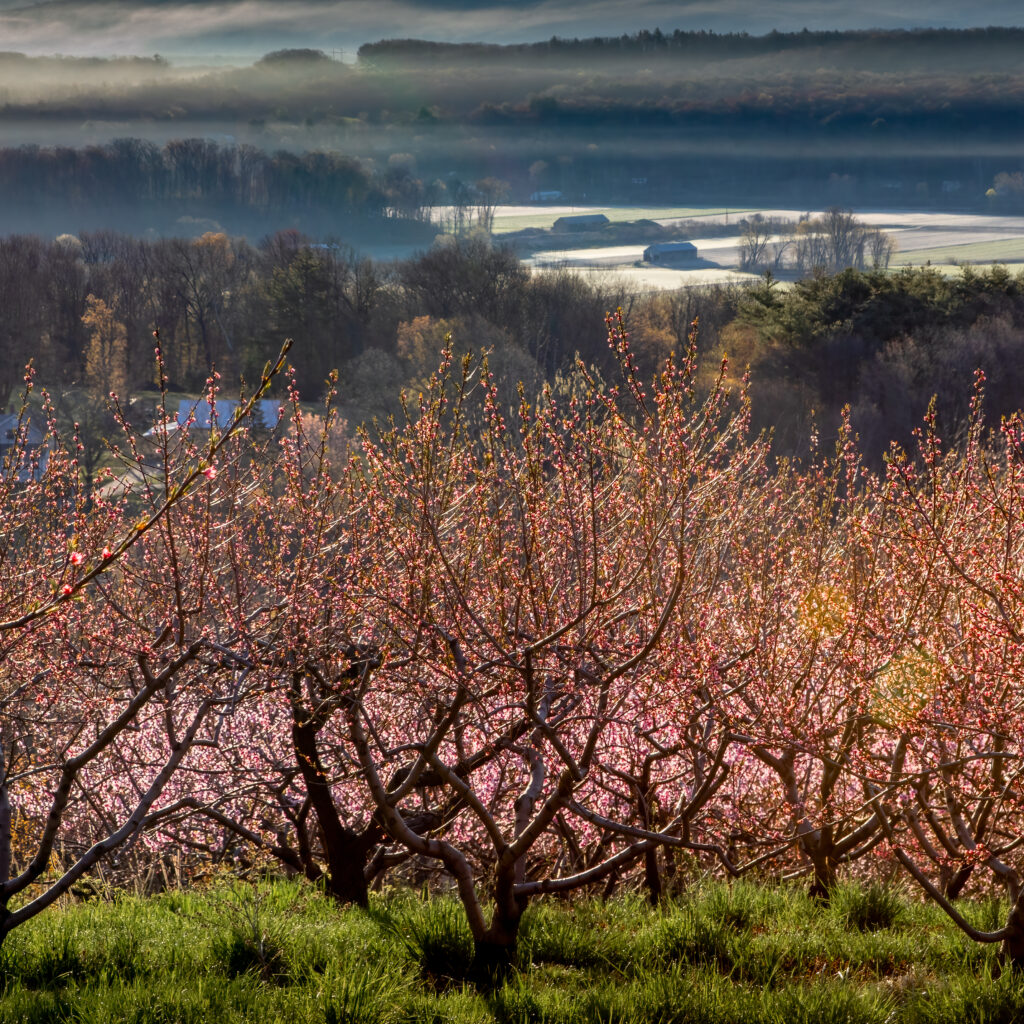
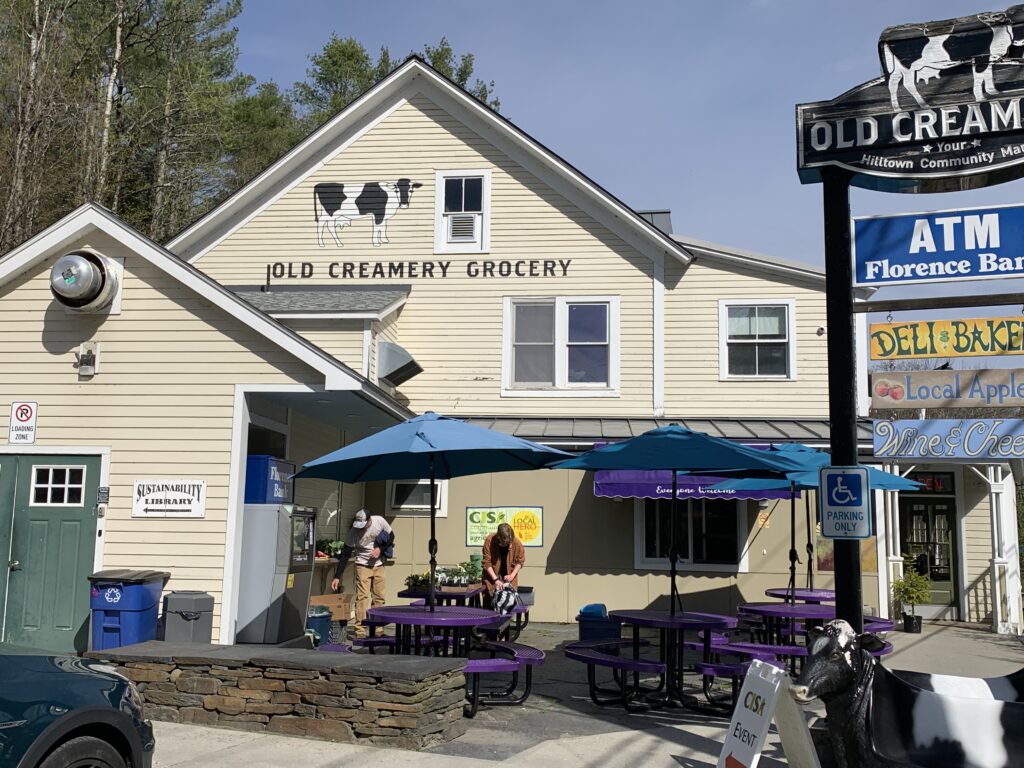
At its core, the organization keeps returning to a simple idea: while shopping locally may not single-handedly solve climate change, hunger, or larger economic problems, it is still one of the clearest ways people can directly support the communities they live in. Every purchase at a local farm stand, farmers market, or community-owned grocery store becomes a direct investment in the farms, people, and systems that keep the Valley fed.
So be a local hero. Remember that local agriculture has an ace up its sleeve: You. When we choose to support local, by shopping at local markets to buy food produced in our region, we aren’t just buying groceries: we are acting as the primary driving factor of success for neighborhood farms. CISA helps us harness that power, by showing us where to put our money when we want to see it have an impact, and by connecting the dots with folks working the land that sustains us.
If you’d like to find out where to shop, head over to learn about their Farm Guide
If you’d like to find out if they could help you and your farm, head over to their Local Hero Enrollment Page.
And, if you’d like to find out how to help them help people, head over to their Support Page.
| Community Involved in Sustaining Agriculture One Sugarloaf Street South Deerfield, MA 01373 Phone: 413-665-7100 | CISA Website: www.buylocalfood.org/ Email: info@buylocalfood.org Check out their Socials: Facebook – Instagram |